Broccoli Haircut Meme: Why Gen Z Embraced the Roast
How 'broccoli haircut' went from internet roast to the most-worn Gen Z cut — the meme's origins, the gym-bro jokes, and why the look actually stuck.
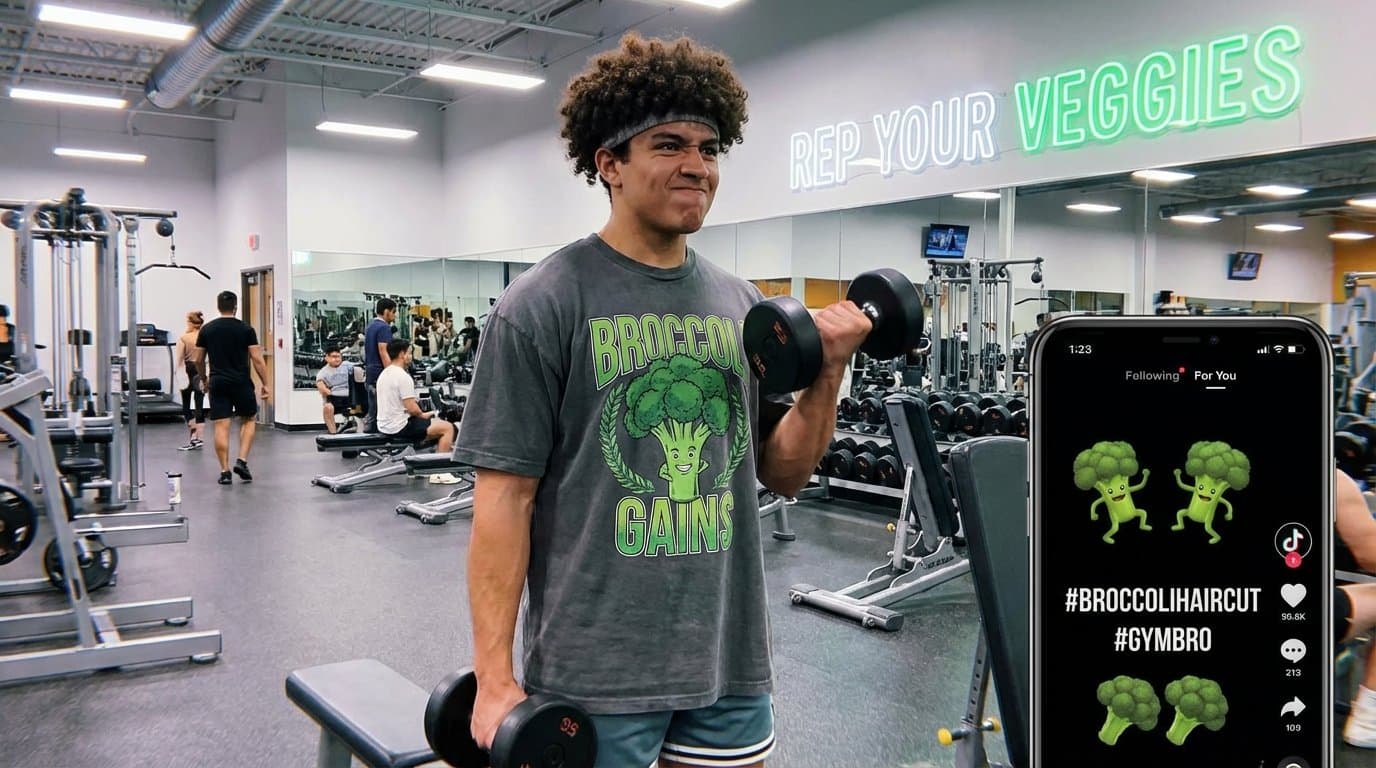
Let's get something out of the way: yes, it looks like broccoli.
The tight curls on top. The faded stalk of a fade. The rounded floret silhouette. The comparison is obvious, accurate, and the reason we're all here reading about vegetables on a haircut website.
But here's what's interesting: the broccoli haircut didn't become less popular because of the meme. It became more popular. Gen Z looked at the jokes, looked at the vegetable comparison, and said "yeah, and?"
This is the story of how a hairstyle became a meme, and how the meme made the hairstyle even bigger. (Not sure what the broccoli haircut even is? Start there.)
The Origin of the Broccoli Comparison
No one person invented the broccoli haircut meme. It emerged organically as the hairstyle spread through TikTok around 2020-2021.
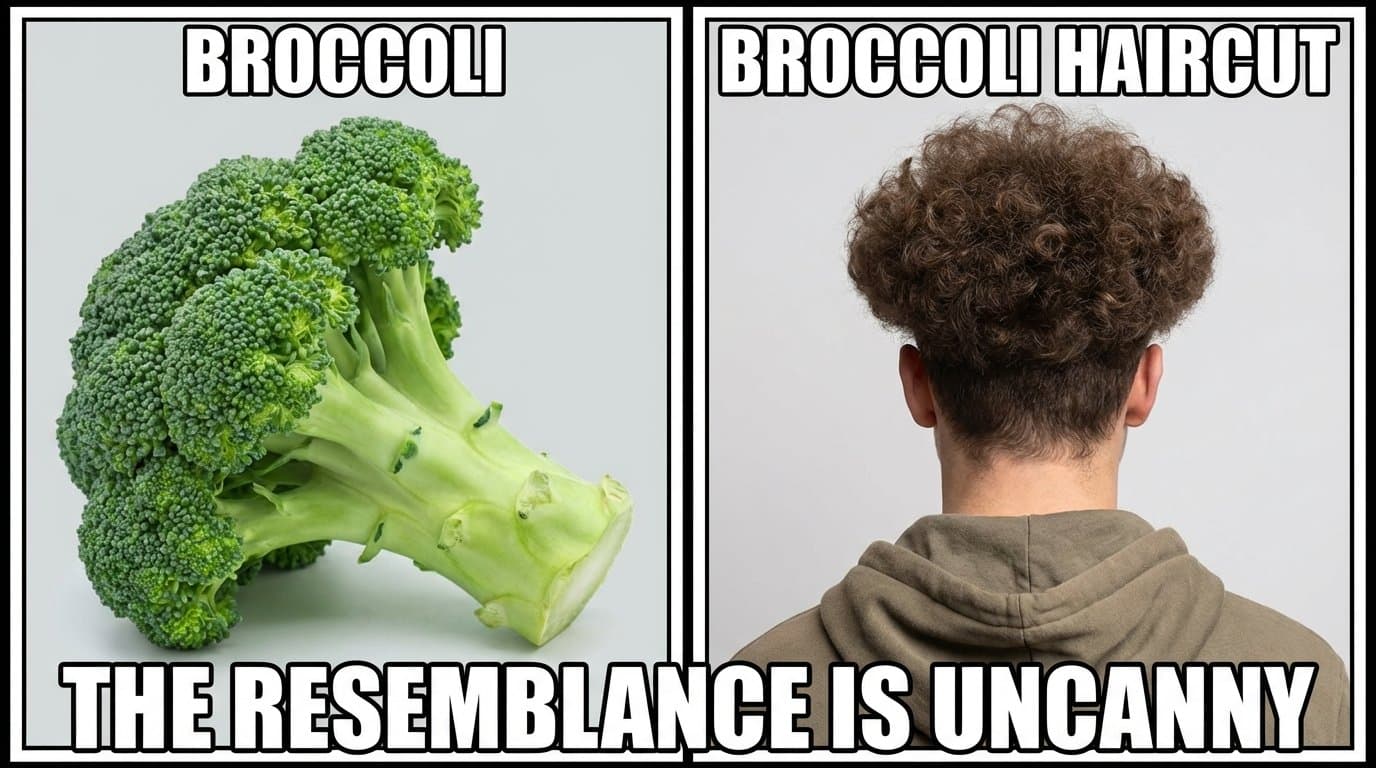
The comparison is too obvious to miss. Anyone looking at the haircut from the right angle can see it. Curly green top, pale stalk. Curly hair top, faded sides. The silhouette matches.
Early memes were simple side-by-side images. A picture of the haircut. A picture of broccoli. Maybe a caption like "they're the same picture." Basic observational humor.
But the meme evolved quickly. It stopped being just about the visual similarity and started incorporating the people who wore the haircut.
Enter the Gym Bro
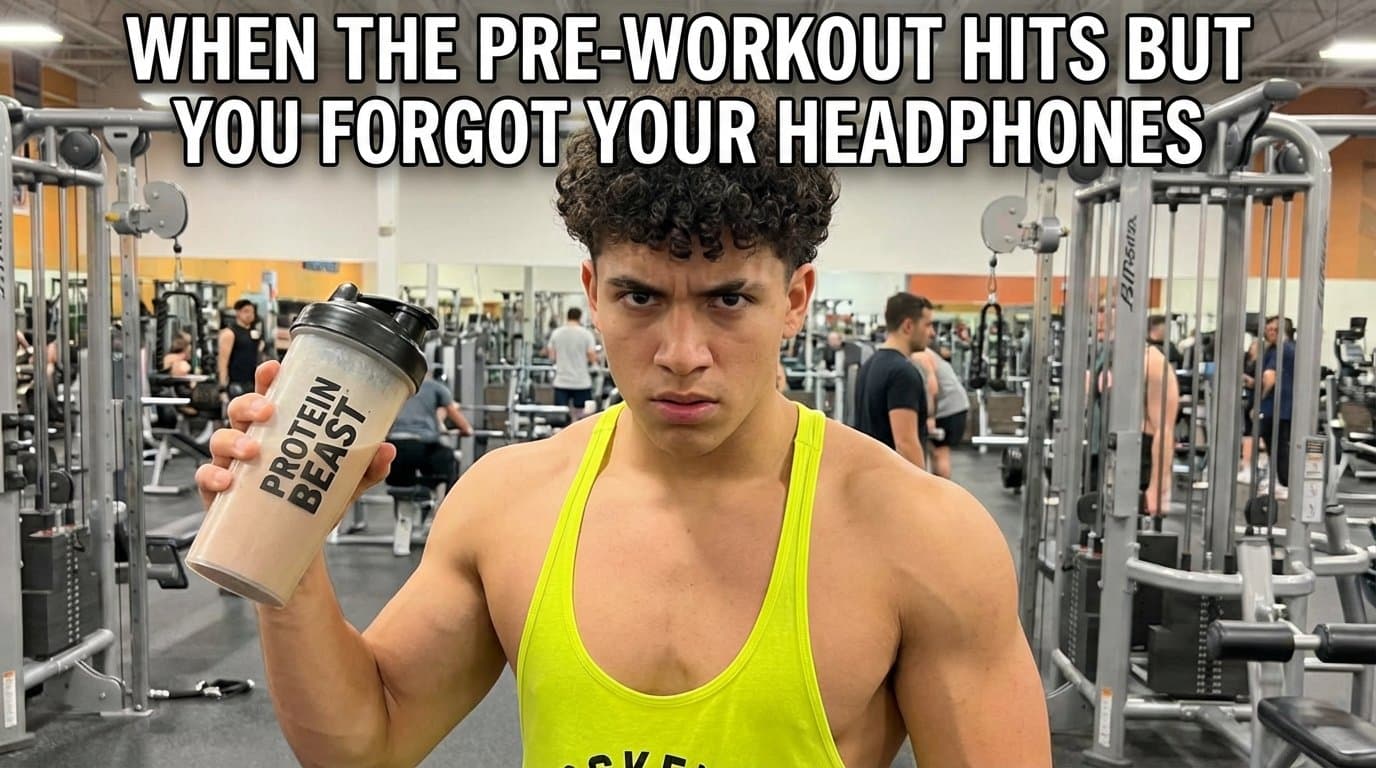
The broccoli haircut became associated with a specific type of person: the young, fitness-obsessed guy who posts workout content and takes himself very seriously. The nickname even spawned its own identity — we unpack the "broccoli head" label and its gym-bro baggage in a dedicated guide.
This archetype emerged because the haircut genuinely is popular in gym culture. Scroll through fitness TikTok or Instagram, and you'll see an army of broccoli-headed young men doing deadlifts and posting transformation photos.
The meme captured this with stereotypes:
"Broccoli head at the gym" jokes:
- "POV: the broccoli head is about to give you unsolicited advice"
- "Broccoli heads when someone is using the squat rack wrong"
- "The broccoli head starter pack: string tank, preworkout, unsolicited spot"
The conformity angle:
- "Every gym has the same 15 broccoli heads"
- "We live in a society where everyone has the same haircut"
- "High school soccer team vibes"
The self-seriousness:
- "Broccoli heads recording themselves for the 47th time today"
- "When the broccoli head takes a rest day (impossible)"
- "Broccoli head explaining why he can't come to the party (legs day)"
The humor isn't mean-spirited. It's more like affectionate teasing of an identifiable subculture.
TikTok Made It Worse (and Better)
TikTok's algorithm amplified the meme cycle. Videos mocking the haircut got millions of views. Videos defending it got millions more. Everyone had an opinion.
Common TikTok meme formats:
The zoom-in: A video starts normally, then dramatically zooms into someone's broccoli haircut, often with an exaggerated sound effect.
The comparison slideshow: Rapid cuts between broccoli-headed guys and actual broccoli, usually set to trending audio.
The "types of broccoli heads" ranking: Categorizing variations (the gym bro, the SoundCloud rapper, the soccer player, etc.).
The defense video: Broccoli-headed creators leaning into the joke, owning it, sometimes literally styling their hair to look more broccoli-like.
This last category is key. Gen Z's relationship with the meme is participatory. They're not victims of the joke. They're in on it.
The Self-Awareness Factor
Here's what separates the broccoli haircut phenomenon from older generational style jokes.
When millennials were mocked for man buns or undercuts, the response was usually defensiveness or denial. "It's not a man bun, it's a topknot." "My haircut is actually very different from everyone else's."
Gen Z took a different approach. The response to "your hair looks like broccoli" is essentially: "Yes, and I look great."
This self-awareness is baked into the culture. Getting a broccoli cut in 2025 means accepting that:
- People will make broccoli jokes
- You look like a lot of other people
- That's fine
- You wanted this look anyway
The meme didn't kill the haircut. The willingness to embrace the meme made the haircut a cultural statement. It signals that you're part of the in-group, you get the joke, and you don't take yourself so seriously that you can't laugh about looking like a vegetable. For the deeper analysis of how that dynamic actually drove the trend's growth, see our breakdown of why the broccoli haircut got so popular.
Memes Across Platforms
The broccoli haircut meme exists differently on each platform:
TikTok: Video-focused, often featuring actual broccoli-headed creators or side-by-side comparisons. Sound trends drive formats.
Twitter/X: Text-based observations and quote-tweet mockery. "Just saw 12 broccoli heads at Chipotle" type posts.
Instagram: Meme pages sharing comparison images. Reels mirroring TikTok content.
Reddit: Discussion threads debating whether the haircut is played out, plus "broccoli head" comments on any photo featuring the style.
YouTube: Commentary videos from millennials and Gen X creators asking "why do all young guys have the same haircut?" Often with a bemused but not hostile tone.
The meme adapts to each platform's format while maintaining the core joke: they look like broccoli, and there are a lot of them.
The Gym Connection Explained
Why is the broccoli haircut so common in gym culture specifically?
Several factors:
The aesthetic matches. Gym culture is about building a specific physique. The broccoli cut complements an athletic build. Wide shoulders, tapered waist, tight curls on top. It's visually consistent.
Social media content creation. A lot of young guys at the gym are creating content. The broccoli cut photographs well in gym lighting. It's recognizable in thumbnails.
Peer influence. When everyone at your gym has the same haircut, you're more likely to try it. The style spreads through local gym communities.
The "it's a lifestyle" mentality. Gym culture often involves adopting a whole aesthetic. The broccoli cut fits with performance wear, spray tans, and the carefully curated gym-bro image.
Youth demographic overlap. The haircut is popular among teenage and twenty-something men. This same demographic floods commercial gyms. The overlap is natural.
None of this is a criticism. It just explains why "broccoli head at the gym" became such a specific and recognizable stereotype.
When Memes Get Mean
Not all broccoli haircut humor is lighthearted. Some crosses into bullying territory.
Ageist dismissal: Older generations sometimes use "broccoli head" as shorthand for "stupid young person." This isn't really about the haircut. It's generational contempt wearing a hair-related disguise.
Homophobic undertones: Some mocking of the style carries coded suggestions about masculinity and sexuality. This is just homophobia, not legitimate humor.
Personal attacks: There's a difference between joking about a trend and mocking a specific person's appearance to hurt them.
The healthy meme culture around the broccoli cut is collaborative. Both mockers and the mocked are in on the joke. When it stops being mutual, it stops being fun.
The Meme Lifecycle
Every internet phenomenon follows a pattern:
- Emergence: The trend appears and starts spreading.
- Observation: People notice and start commenting.
- Peak meme: Maximum joke density. Everyone has an opinion.
- Meme fatigue: The jokes get old. "We get it, broccoli."
- Normalization: The meme recedes, but the trend continues without constant commentary.
The broccoli haircut is probably in stage 5 at this point. The jokes are still there, but they're not as dominant. The haircut has been absorbed into the culture. It's just a normal option now, not a constant punchline.
This is how trends survive their meme phase. The broccoli cut outlasted the peak mockery and became just... a haircut.
International Variations
The meme plays differently around the world.
United States: Strongly connected to gym culture and TikTok trends. The "broccoli" name is universal.
United Kingdom: Often called the "meet me at McDonald's" haircut, referencing where young people with this style might hang out. Same meme energy, different vegetable metaphor. (It's also related to the zoomer perm trend.)
Korea: The style connects to K-pop aesthetics. Less mockery, more aspirational. The "vegetable" joke doesn't translate the same way.
Australia: "Broccoli boys" is common slang. The gym connection is strong.
Latin America: Less focus on the broccoli comparison. The style overlaps with other popular cuts and doesn't have the same meme identity.
The meme is strongest in English-speaking internet culture where TikTok and American gym culture dominate.
Should You Still Get the Broccoli Cut?
After all the memes, after all the jokes, after being compared to a vegetable thousands of times—is it still worth getting?
Arguments in favor:
- The haircut looks good. That's why it got popular.
- Being in on the joke is kind of fun.
- It's well-suited to current fashion and fitness aesthetics.
- The meme has peaked. People are over it.
Arguments against:
- You might want something more individual.
- You're tired of the conformity jokes.
- The trend may eventually fade, and you'll look dated.
- You genuinely don't like how it looks.
There's no right answer. It's a haircut. If you like it, get it — our complete men's guide covers exactly how. If you don't want to look like broccoli, don't.
But if you're worried about being mocked: the people who will mock you are the same people who mock everything. The people who matter either don't care or are in on the joke.
Frequently Asked Questions
Embracing the Chaos
The broccoli haircut might be the first major hairstyle trend that achieved peak popularity partly because of the meme, not despite it.
Gen Z's willingness to say "yeah, I look like a vegetable, so what?" changed the dynamic. The meme became marketing. The joke became the appeal.
If you're thinking about getting the cut, know what you're walking into. People will say things. You'll hear the same jokes. Someone will definitely point out the broccoli thing.
But you'll also be part of a cultural moment. A generation that chose their signature look fully aware of how it would be perceived—and did it anyway.
That's not cringe. That's kind of iconic.
And hey, if you're not sure whether you can pull off the broccoli energy, try our AI tool first. See yourself with the look before you commit. At worst, you'll have a funny photo to share.
At best, you'll realize the memes were right. You do look like broccoli.
And you look great.